iGaming | 9 November 2026
Ask ten gamblers whether they prefer slots or poker, and you'll get ten different answers depending on how much they've lost that month. But strip the tribal loyalty away and there's a genuinely fascinating divide here. Slots and poker sit at opposite ends of the gambling spectrum, and the choice between them says more about your temperament, bankroll, and tolerance for variance than it does about which game is "better."
Let's dig into what actually separates these two pillars of iGaming, and where blackjack, live dealer games, and modern crash titles fit into the picture.
The House Edge Argument Everyone Gets Half Right
The standard line is that poker is superior because a skilled player faces almost no house edge, while slot players are donating 2-10% of every wager back to the casino. That's technically true, and also slightly misleading.
Poker doesn't have a house edge in the traditional sense. It has a rake, which is a percentage cut the operator takes from each pot or charged as a seat fee. Online cash games typically rake somewhere between 4-5% depending on stakes and site, often capped at a few dollars. Compare that to a typical video slot, where RTP (return to player) might range from 94% to 96.5%, giving you a house edge of 3.5-6%. On paper, the gap isn't as brutal as grumbling poker purists suggest.
The catch is variance and skill. Slots deliver a steady drip of random noise that mathematically grinds you down over time. Poker is a skill game with a rake attached, which means a bad player can be running a 5% rake against them while a strong player is effectively paying that same rate on a game they're beating.
What this means in practice: slot mahjong goes into the finer points.
- A losing slot player is always losing, just at different speeds.
- A winning poker player rarely thinks about rake because their edge dwarfs it.
- A losing poker player has no RTP to fall back on and drains as fast, if not faster.
Variance: Where the Real Difference Lives
Here's something nobody tells beginners clearly enough: poker hurts more in month one, but less in year one. Slots are the reverse.
A slot player betting a dollar a spin has a chance of doubling their money within an hour if a bonus lands. A poker player can grind a perfectly reasonable bankroll and still have three buy-ins vanish in a session due to bad beats. That said, a competent poker player who plays tournaments or exploits weaker cash game fields can build something resembling a career. Nobody has ever turned a slot into a lifestyle, though they tell themselves otherwise after a jackpot screenshot.
Modern slots have made this worse, not better. Features like Megaways, tumble mechanics, and bonus buy options tend to reduce base game RTP in favour of flashy feature rounds, while the volatility on games like San Quentin or Money Train 4 can wipe out a 500x bankroll before awarding anything. Bonus buy is particularly dangerous: you'll pay 100x your bet up front with no guarantee the feature returns more than a fraction of it.
What Actually Attracts Players to Each
Slots have one enormous advantage poker will never match: they require zero thinking.
When you sit down at a slot, there's no opponent, no exploitation to think about, no meta-game. You choose the stake, hit spin, and the software handles everything else. It's meditation for people who want money to mean something. Slots revenue globally dwarfs all table games combined, and in most competitive markets online slots account for somewhere between 60-70% of total casino gross gaming revenue.
Poker, by contrast, is lonely in a different way. You can play one screen of slots while listening to a podcast and still be playing correctly. Playing four poker tables with anything less than full attention is expensive. If you have poor impulse control or tilt easily — and online poker exposes your tilt faster than anything — losing sessions stack quickly.
A rough guide to who each game suits:
- Choose slots when your goal is entertainment, your bankroll is disposable, and you want a game with dictated rules.
- Choose poker when your goal is a long-term edge, you can manage losses intellectually, and you're willing to study.
Where Blackjack and Live Dealer Fit In
Blackjack is often framed as the "smart" casino game, and the numbers partly back that up: perfect basic strategy drops the house edge to around 0.5%, and counting cards can technically flip the edge in your favour, though online RNG shuffling makes that near impossible and live dealer games often use shuffle machines.
Live dealer is its own beast. You lose speed and some RTP cleanliness compared to straight RNG, but you gain atmosphere, real cards, and the ability to watch the dealer and other players. It sits somewhere between slots and a real casino table: tactile and watchable, with house edges that usually land 1-3%. For casual iGaming players, live blackjack and live roulette are genuinely solid entertainment value if the table limits fit your bankroll.
Newer categories like crash games and Aviator are also grabbing serious share, particularly in markets like South America and parts of Asia. They tend to have lower RTP (often 97% or less) combined with brutal volatility, making them bad picks for anyone without strong timeout discipline.
Practical Advice Before You Pick a Game
- Set a loss limit before you sign up. Not after. Site-level deposit limits exist on licensed operators and take minutes to configure.
- Read the RTP on every slot you play. It's usually buried in the paytable or info screen. 96% versus 94% is a huge difference over thousands of spins.
- Don't treat bonus huggers as strategy. Promo requirements like a 40x wagering requirement on slots mean the expected value is often negative, even with match deposits.
- Track your poker hands if you're playing seriously. Hold'em Manager and PokerTracker style software changes how you understand your own leaks.
- Accept which category you're actually in. Recreational punter or grinder. Honesty here saves you more money than any bonus code ever will.
The Bottom Line
Slots and poker aren't really competitors. They're different relationships with chance. Slots are a paid rollercoaster: you buy a ticket, the ride has fixed physics, and you shouldn't be surprised where you land. Poker is a test of whether you can actually outplay a room full of people who are mostly trying to do the same thing to you.
What kills bankrolls isn't the game itself. It's picking the wrong one for the wrong reason. Someone chasing poker income with slot expectations will burn out in weeks. Someone grinding poker when they wanted a cheap buzz is doing the same amount of work with more stress.
If you play one game and know exactly why you're in it, you're already ahead of nine out of ten players sitting at a virtual table right now.

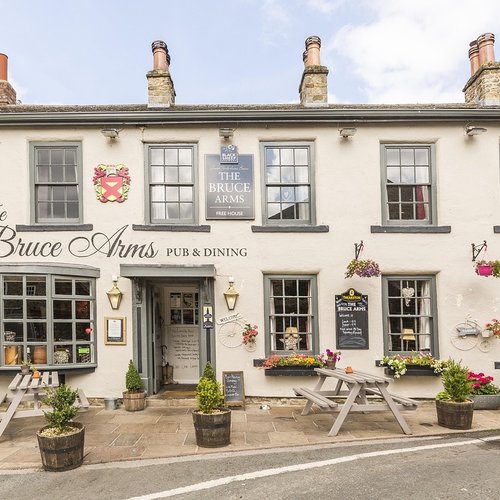
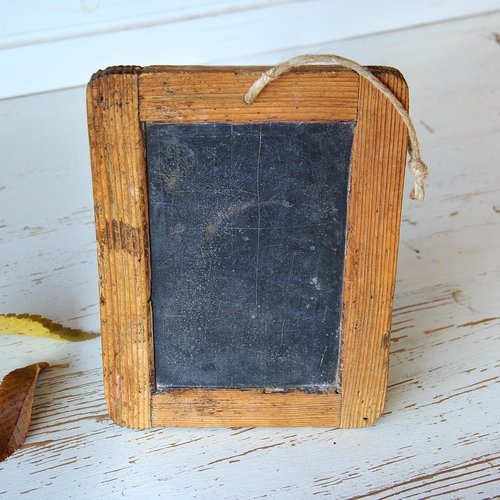
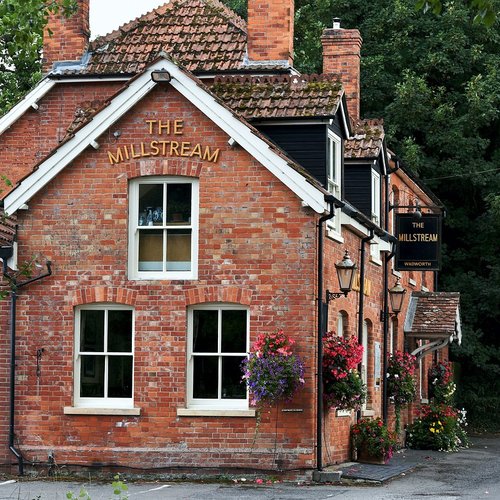






















A forgotten slate board from a derelict barn gets a second life with linseed oil, patience, and a piece of pub history.
Alice Rose
Oct 1, 2026 at 3:12 pm