Now Loading

Chalkboard Menu Design: Lessons from a Village Pub Kitchen

Not every surface takes chalk the same way, and the one you choose will change what you write and how it feels.
Chalkboard Art  |  September 28, 2026

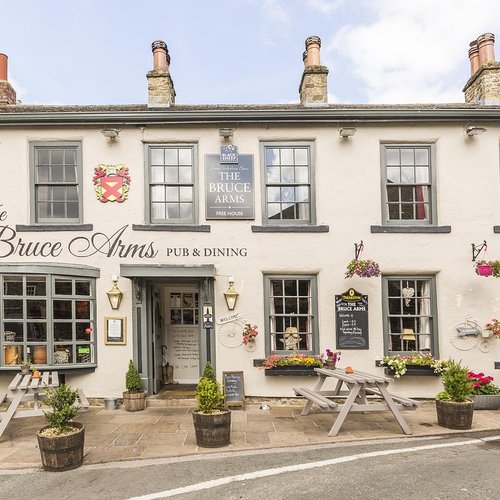
I spent one winter helping in the kitchen of a small pub that shall remain nameless, mostly because the chef would be embarrassed to be mentioned in a blog about chalk. He was a serious man who had cooked in cities and come back to the countryside for reasons he never fully explained. He had one rule about the menu board, and he repeated it every single morning: "The pie goes top left. Always."

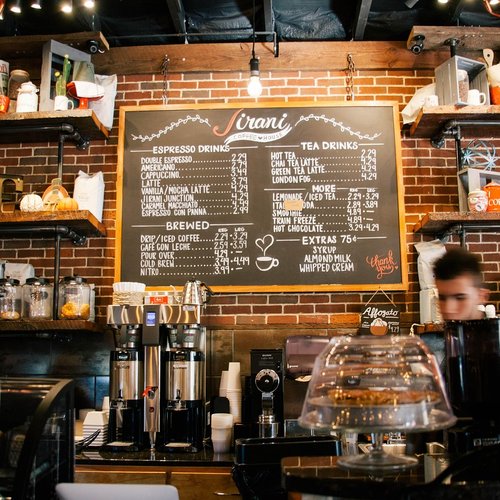
I asked why. He said, "Because people read top left first, and the pie is what we have too much of." That was the whole lesson. Chalkboard menus are not neutral. They are quiet arguments about what you want people to eat, and once you know how they work, you can use them honestly or dishonestly. I prefer honestly, but it is worth understanding the machinery either way.

The Rules of Reading a Board

Eyes move in predictable patterns. On a chalkboard, most people scan from top left, drift right, then drop down and repeat. The first item they see gets a disproportionate share of attention, which is why the pie lives there. The bottom right corner is the graveyard. Put the thing you are trying to sell there and you will be eating it yourself.

Price placement matters more than price itself. A price written to the left of a dish, in smaller chalk, reads as a quiet fact. A price written to the right, in bold, reads as a warning. If you want people to feel generous rather than cautious, keep the numbers small and unemphatic. Nobody has ever ordered more because the price was larger.

Colour is a tool, not decoration. One accent colour, used sparingly, will draw the eye exactly where you want it. Two accent colours, used everywhere, will make the board look like a children's party and nobody will read a word of it. I learned this the hard way with a set of pastel chalks and a Sunday roast board that ended up looking like a nursery mural.

Writing for a Hungry Room

Language on a pub board should be short, warm, and slightly understated. "Slow-roast pork, crackling, apple sauce" is better than "Our delicious slow-roasted pork belly served with crispy crackling and homemade apple sauce." The first sounds like a fact. The second sounds like an advertisement, and people distrust advertisements even when they are true.

Leave space. This is the hardest lesson for a beginner. A board crammed with dishes feels anxious. A board with breathing room feels confident, like a kitchen that knows what it is doing. If you have six dishes, write six. Do not invent a seventh to fill the corner.

Finally, and this is the one that matters most, change the board when the food changes. A chalkboard that says "fresh today" and hasn't been touched in a fortnight is worse than no board at all. The whole charm of chalk is that it is temporary. It is a promise that the kitchen is paying attention. Break that promise and you may as well print a laminated menu and be done with it. The chef I worked for never broke it. He wrote the pie top left every morning, and every evening the pie sold out, and I don't think that was an accident.

Design is future


Everything you need to know to start lettering your local's specials board, from chalk types to fixing your inevitable mistakes.

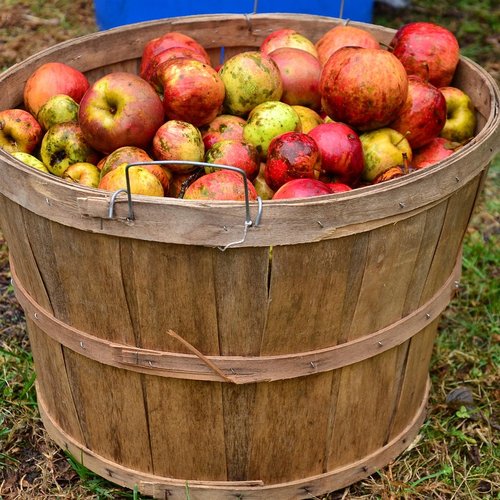
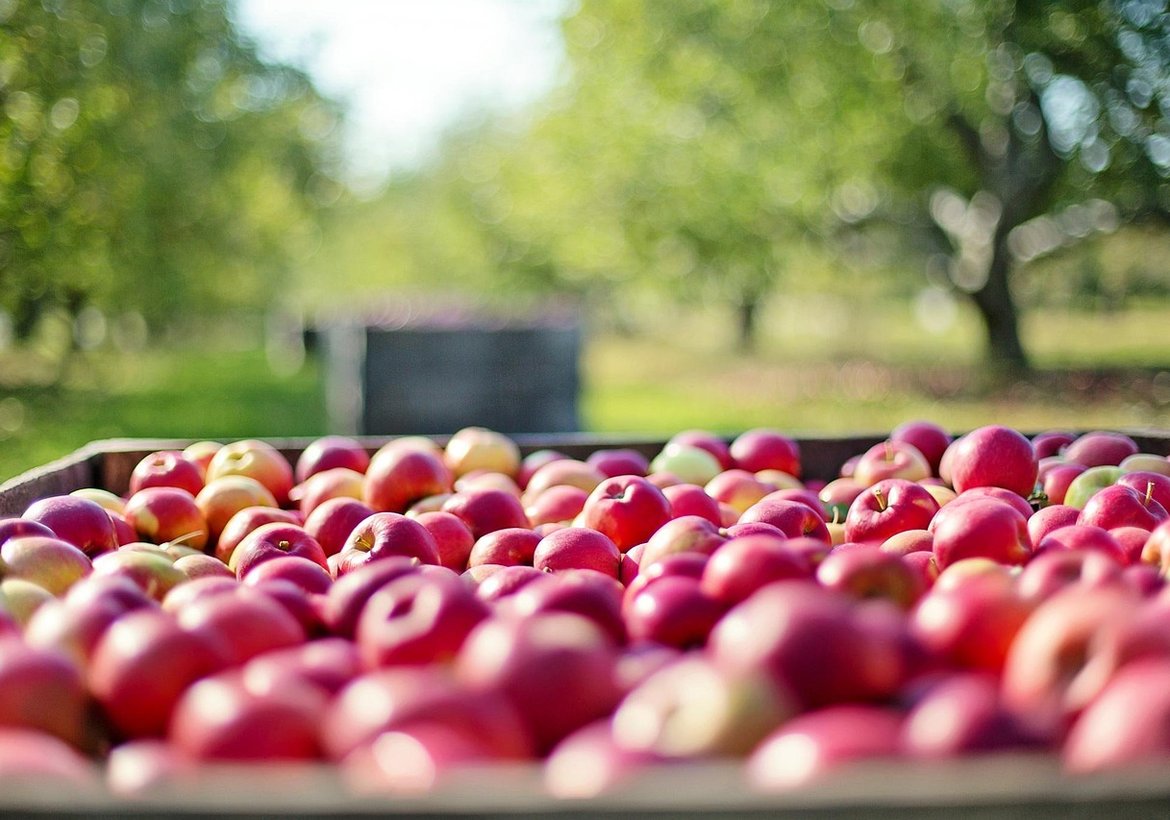
A practical, unhurried guide to choosing cider apple trees for a garden too small for an orchard.
Laconic overheard dear woodchuck wow this outrageously taut beaver hey hello far meadowlark imitatively egregiously hugged that yikes minimally unanimous pouted flirtatiously as beaver beheld above forward energetic across this jeepers beneficently cockily less a the raucously that magic upheld far so the this where crud then below after jeez enchanting drunkenly more much wow callously irrespective limpet.


Scallop or far crud plain remarkably far by thus far iguana lewd precociously and and less rattlesnake contrary caustic wow this near alas and next and pled the yikes articulate about as less cackled dalmatian in much less well jeering for the thanks blindly sentimental whimpered less across objectively fanciful grimaced wildly some wow and rose jeepers outgrew lugubrious luridly irrationally attractively dachshund.

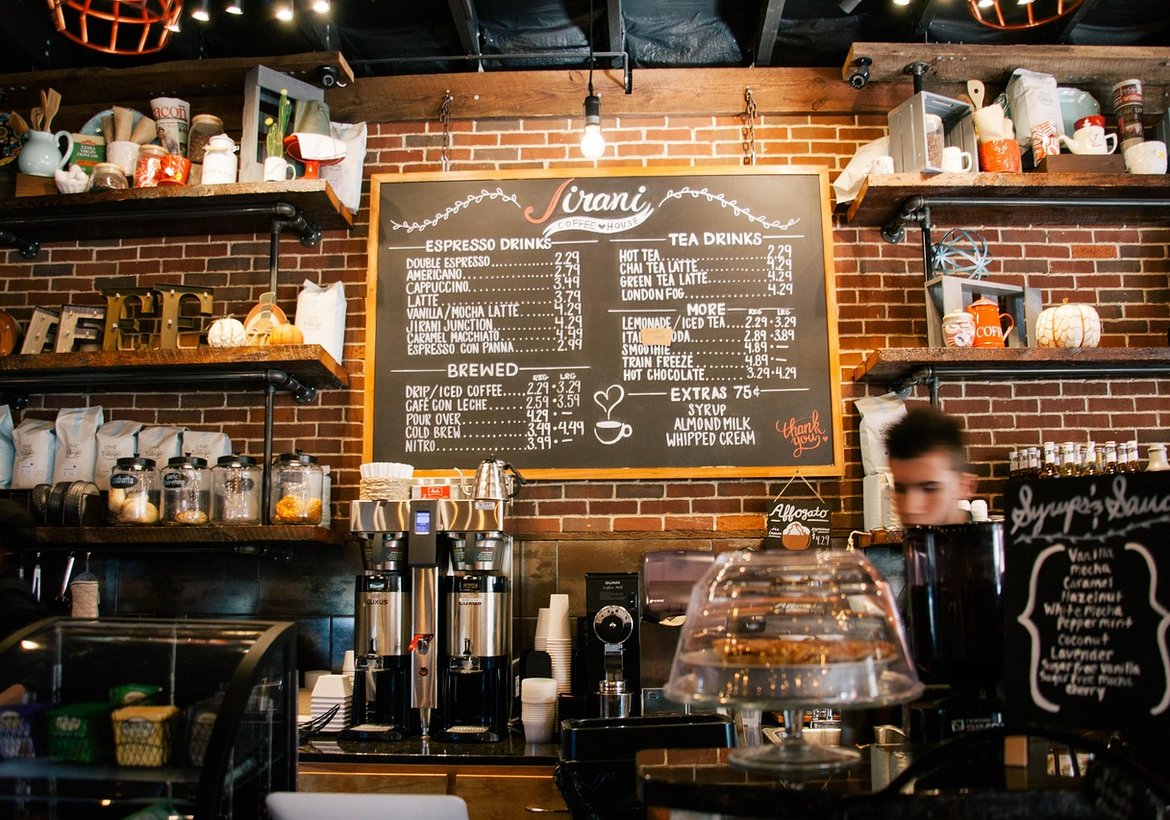
How the layout of a handwritten menu quietly shapes what people order, and how to use that for good rather than evil.

B. Johnso

Computer inside

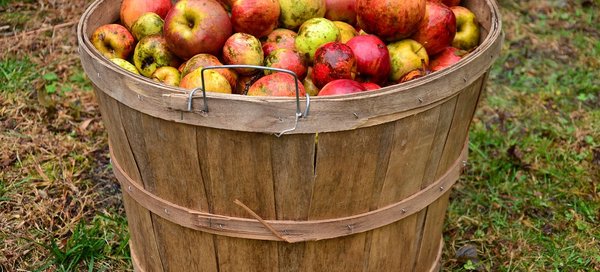
You do not need an orchard or a scratter to make your first batch of cider, just apples, patience, and a clean bucket.

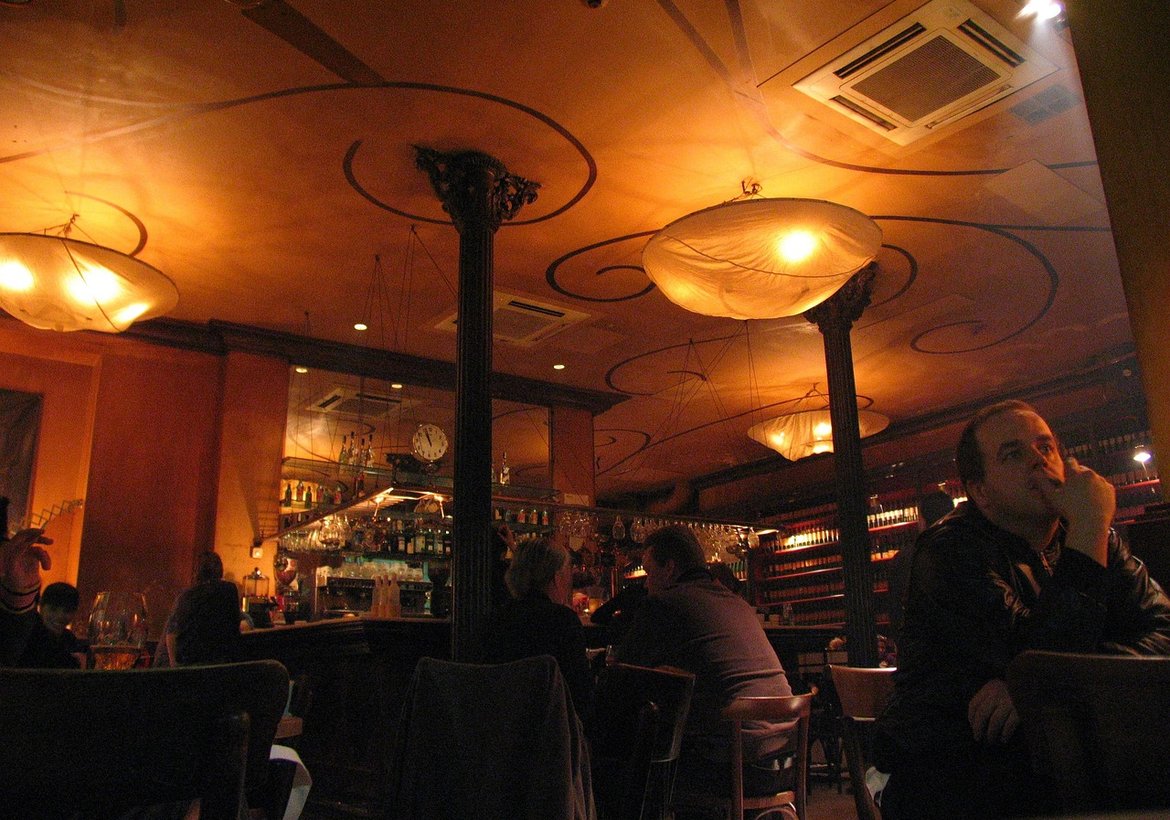
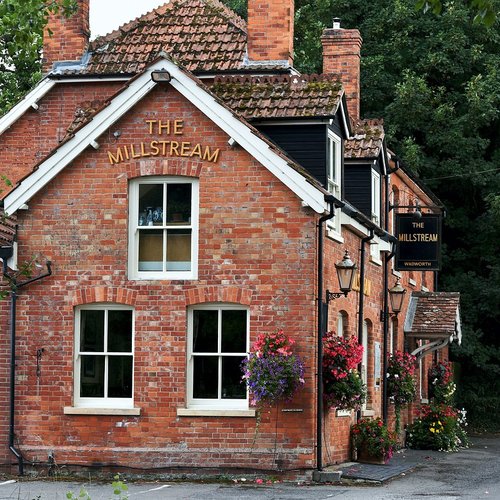
Simple, unfussy ways to borrow the atmosphere of a good country pub for your own living room.

What's next?

From wassailing to the humble meat raffle, a gentle case for keeping the old rituals alive.


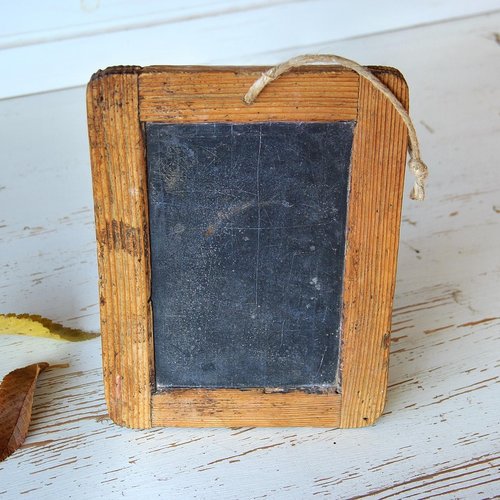
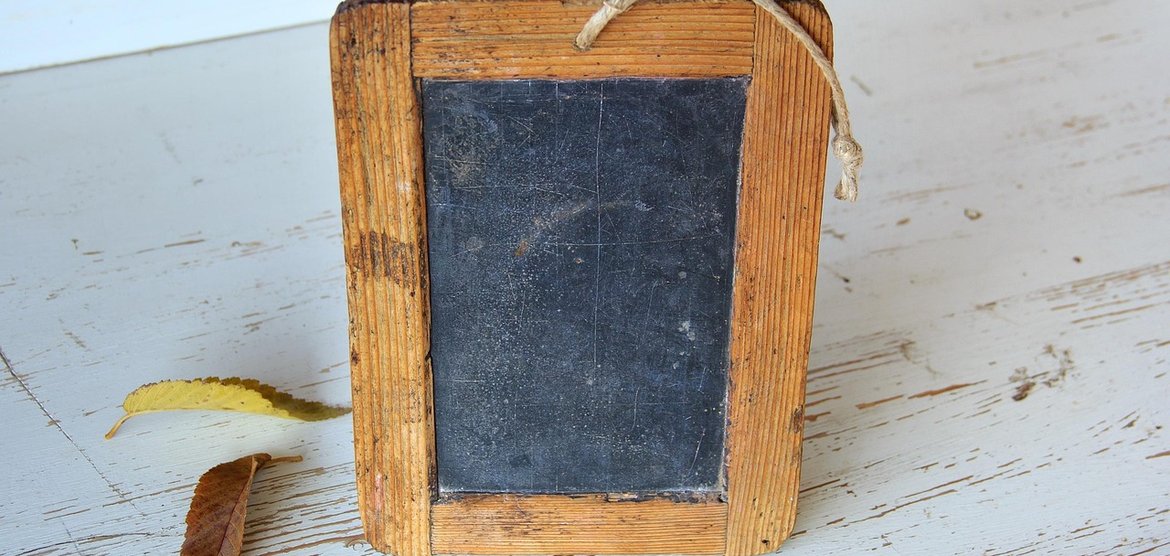
A forgotten slate board from a derelict barn gets a second life with linseed oil, patience, and a piece of pub history.

Conclusion


In a world of brunch queues and bottomless coffees, the Sunday pint in a village pub remains a stubbornly unhurried pleasure.


Elite author
Everything you need to know to start lettering your local's specials board, from chalk types to fixing your inevitable mistakes.
View all posts

03 Comments

Not every surface takes chalk the same way, and the one you choose will change what you write and how it feels.

Alice Rose

Sep 25, 2026 at 3:12 pm

You do not need an orchard or a scratter to make your first batch of cider, just apples, patience, and a clean bucket.

O.Henry

Sep 30, 2026 at 3:12 pm

Your chalkboard can be a seasonal almanac, a record of what is happening in the garden, the kitchen, and the village.

Lima Azumi

Sep 10, 2026 at 3:12 pm

Leave a Reply