iGaming | 20 November 2026
You're not here to lose. Yet most players do, slowly, over time, because they treat iGaming like a lottery instead of a skill. The truth? Casinos, slots, poker, and sports betting aren't random noise. They're markets with edges, and edges can be learned. Whether you're spinning reels, grinding micro-stakes, or hunting value in obscure football leagues, the difference between a deposit and a withdrawal comes down to three things: understanding the math, managing your bankroll, and exploiting the right opportunities. Let's cut through the hype and get practical.
Slots: RTP, Volatility, and the Only Two Numbers That Matter
Every slot machine has a Return to Player (RTP) percentage. That's the theoretical amount returned to players over millions of spins. A 96% RTP game keeps 4% for the house. But here's what most players miss: RTP doesn't mean you'll get 96% back in a session. It's a long-term average. Volatility matters just as much. High-volatility slots like Book of Dead (96.2% RTP) pay rarely but can explode. Low-volatility games like Starburst (96.1% RTP) pay small amounts frequently. A detailed guide is available at สล็อตเว็บตรง.
Your strategy should match your goal. If you want to survive a long session with a small bankroll, pick low volatility. If you're chasing a jackpot, high volatility is your only shot. But never play a slot with an RTP below 95% unless you're getting a massive bonus. Some progressive jackpots have RTPs as low as 88% on the base game—the jackpot value is the only reason to touch them.
- Check the RTP before you spin. It's usually in the game's help menu or on the provider's site.
- Volatility is your risk profile. Low = grind, high = gamble. Neither is wrong, but know which you're doing.
- Bonus terms can kill RTP. A 96% slot with a 40x wagering requirement on a sticky bonus is worse than a 94% slot with no bonus.
One more thing: slots are independent events. A machine that hasn't paid in hours is not "due." That's the gambler's fallacy. The random number generator doesn't care about your history.
Poker: Where the Edge Is Real and Repeatable
Poker is the only game in the casino where you play against other players, not the house. That means a skilled player can have a positive expected value (EV) over thousands of hands. But most players lose because they don't understand position, pot odds, or player tendencies.
Start with tight-aggressive play. In a 6-max No-Limit Hold'em game, you should only play about 20-25% of hands from early position but can open up to 40% from the button. Why? Because acting last gives you information. You see what everyone does before you commit chips.
Pot odds are simple: if the pot is $100 and your opponent bets $50, you're getting 3-to-1 on a call. You need to win at least 25% of the time to break even. If your draw has 9 outs (like a flush draw on the flop), you have roughly 36% equity by the river. That's a clear call. But if you're only getting 1.5-to-1, you need 40% equity—now it's a fold.
- Track your hands. Use a HUD or a simple spreadsheet. You'll spot leaks you didn't know you had.
- Study preflop ranges. Free charts exist for 6-max, 9-max, and tournaments. Memorize the basics.
- Bankroll management: Never buy into a cash game with more than 5% of your dedicated poker bankroll. For tournaments, 2% max.
Online poker is tougher than live poker because everyone has access to tracking software and solvers. If you're serious, invest in a training site or join a study group. The days of easy money are gone, but the edge is still there for those who work.
Sports Betting: Be the Bookmaker, Not the Punter
Most bettors lose because they bet with their hearts. They take their favorite team on the moneyline, or they chase parlays for the thrill. The sharp bettor does the opposite: they look for value, which means finding odds that are higher than the true probability of the outcome.
Example: You think Team A has a 50% chance to win. Fair odds would be +100 (even money). If a book offers +120, that's a value bet. If they offer -110, you pass. Over time, betting only positive EV situations turns a profit.
But how do you estimate true probability? Use data. Advanced bettors use models like Elo ratings, Poisson distributions for soccer, or pace-adjusted efficiency metrics for basketball. You don't need a PhD—just find a reliable source of advanced stats and compare them to the odds.
- Line shopping is non-negotiable. Different books offer different lines. A half-point in NFL spreads can be the difference between winning and losing.
- Fade public teams. When 80% of bets are on the Cowboys, the line moves, but often not enough. The value is on the other side.
- Live betting is for the sharp. In-play odds react slowly to game flow. If you can predict the next event (e.g., a corner in soccer), you can exploit mispriced markets.
Also, avoid parlays unless you're getting a correlated payout. A 4-team parlay at 10-to-1 has a true probability of about 6.25% (if each leg is 50/50). The book is paying you as if it's 9.09%. That's a massive house edge. Stick to straight bets or 2-team teasers if you must combine.
Bankroll Management: The Unsexy Skill That Keeps You Alive
You can be the best poker player or slot picker in the world, but if you bet too big, you'll go broke. Bankroll management is about surviving variance. Variance is the difference between your expected result and your actual result over a short period. In slots, a high-volatility game can eat 500 spins without a bonus. In poker, you can lose 10 buy-ins in a day even if you play perfectly. In sports betting, a 55% win rate still means you'll lose 45% of your bets.
Here's a simple framework:
- Separate your bankroll from your life money. Never gamble with rent or grocery money.
- Set a unit size. For sports betting, 1-2% of your bankroll per bet. For poker cash games, 5% per buy-in. For slots, decide on a session budget and stick to it.
- Move up only when you're consistently winning. If you have a $1,000 bankroll and win 20 buy-ins at $10 games, you can move to $20 games. But don't jump too fast.
- Track everything. Use a spreadsheet. Know your win rate, your ROI, your biggest downswing.
The goal isn't to get rich quick. It's to stay in the game long enough for your edge to play out. Most players fail because they take shots they can't afford. Don't be most players.
The Bottom Line: Treat It Like a Business, Not a Hobby
iGaming can be entertainment or it can be a side income. The difference is discipline. Slots are negative EV unless you're exploiting a bonus or a progressive jackpot at a certain threshold. Poker and sports betting can be positive EV with skill. But no matter what you play, the house always has an edge in the long run unless you're actively finding value.
So stop chasing losses. Stop believing in "hot" machines. Start tracking your results, studying the math, and betting only when the numbers say you have an edge. That's how you turn a casino visit into a calculated decision—and maybe, just maybe, a profitable one.



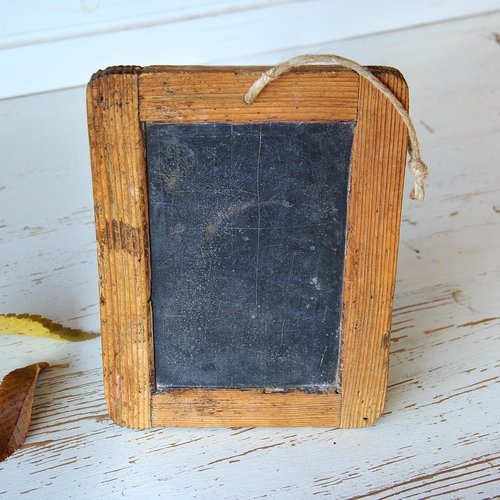
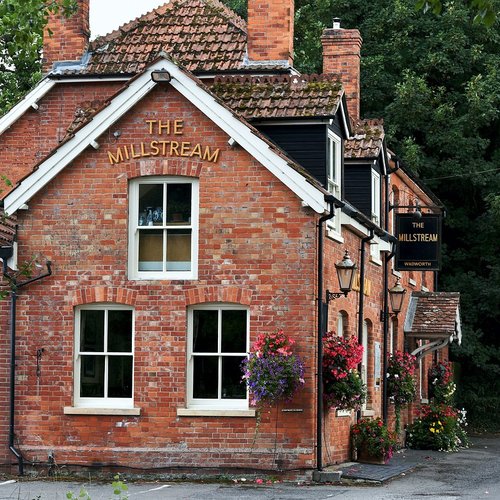

























A forgotten slate board from a derelict barn gets a second life with linseed oil, patience, and a piece of pub history.
Alice Rose
Oct 1, 2026 at 3:12 pm